Chapter I · The illusion of control
Careful hiring, multiple approvals and local compliance can instill a false sense of confidence. AI is lowering the barrier to entry, and the old controls weren't built for it.
$10
What stolen data can sell for on the dark web
12–24 hrs
Delay a call-back across time zones can add, or more
Chapter II · The threat landscape
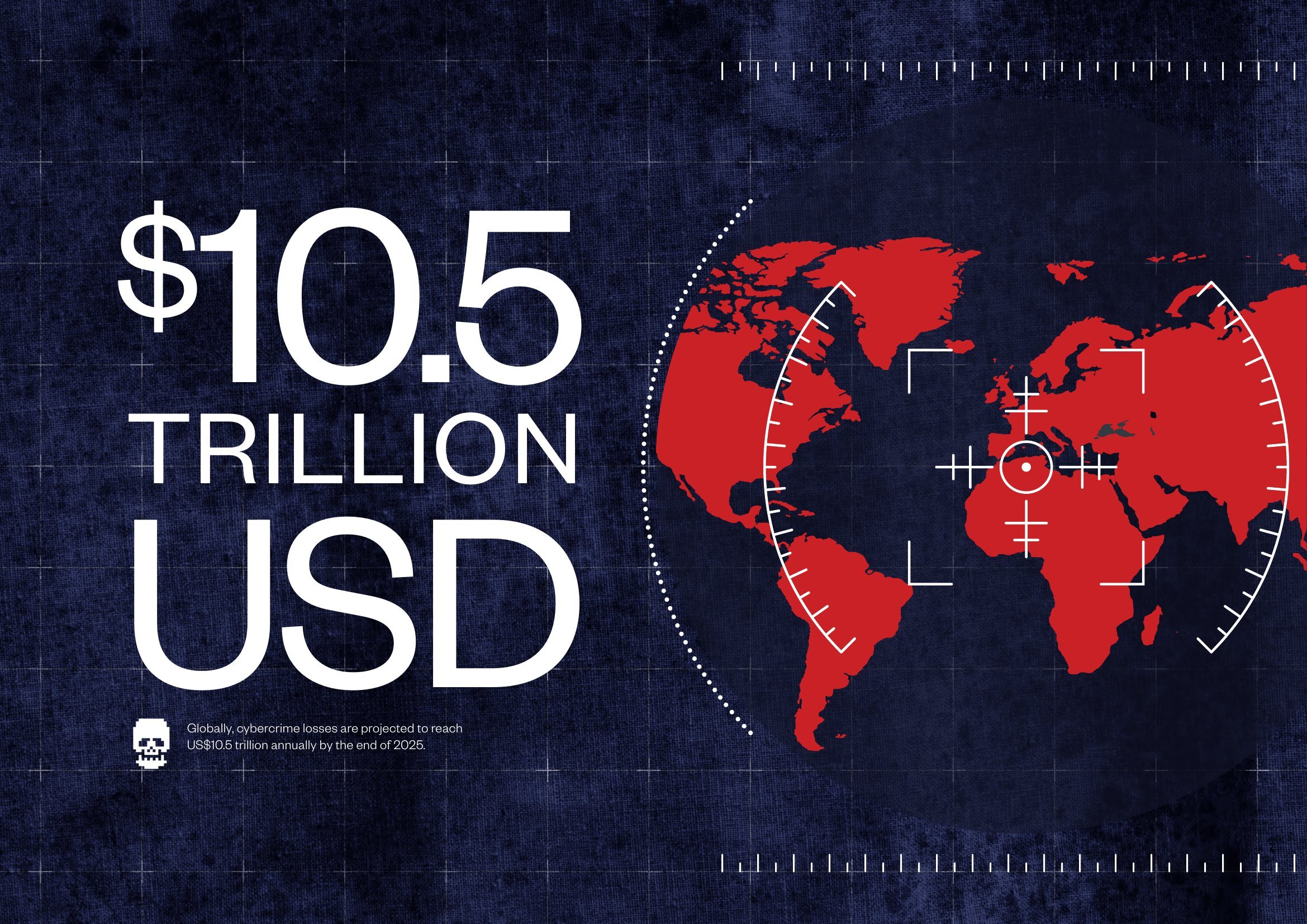
Cross-border fraud is now the default: embedded in global supply chains and run by large-scale criminal operations.
US$16B
cybercrime losses reported by the FBI, up 33% on the year before
NZ$6.8M
lost in New Zealand in Q2 2024 alone, up 61% (CERT NZ)
A$33,000
average self-reported loss per incident in Australia in 2024
69%
of French companies reported at least one fraud attempt (Allianz Trade, DFCG)
I've got a friend that lost his CFO role because he sent $175,000 from Australia to Singapore because of a fraudulent transaction that came across his email.
Tyler Casky, Founder and Partner, TheBeanCounters
Chapter III · The chaos of cross-border compliance
A payment that's compliant in one country can breach sanctions in another. Sanctions lists, privacy law and payment rules all differ, and they keep changing.
“The solution isn't more documentation.”
Chapter IV · Cross-sector risk mitigation
Confirmation of Payee and Verification of Payee help at home. There is still no global infrastructure to verify a payee in another country.
Can't verify an overseas payee? The guide sets out your three options, and the risk each one carries.
Chapter V · How to protect your payments
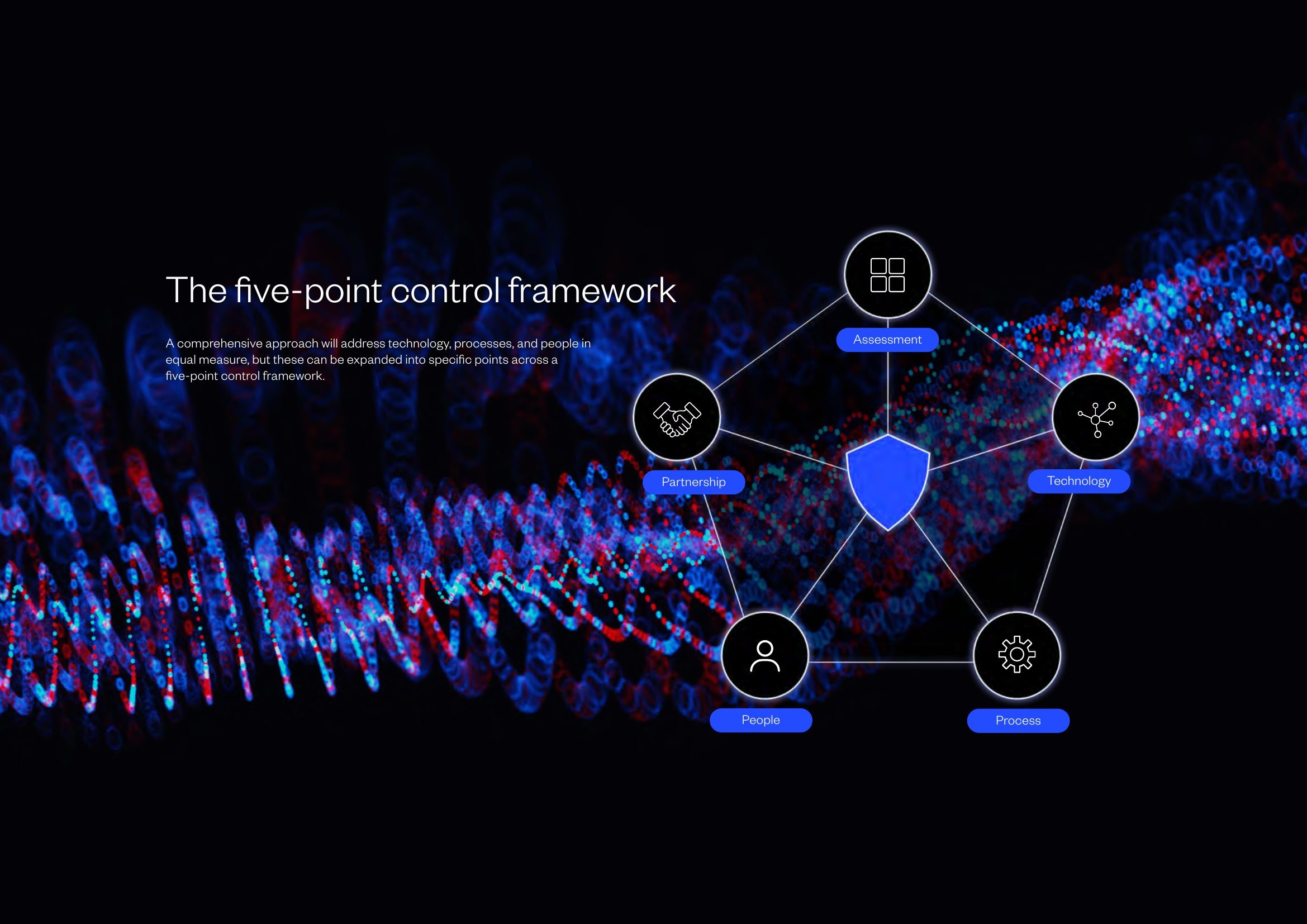
Stronger payment controls don't have to slow you down. The guide breaks them into five points, each with actions you can take now.
Chapter VI · Conclusion
One unified defense that protects your business everywhere you pay, not separate systems for each region.
Get the free guide